Oregon Parks and Recreation Dept.

Emergency Messages as of 7:58 PM, Thu. Oct 1

No information currently posted.

logo

Subscribe to receive FlashAlert messages from Oregon Parks and Recreation Dept..

News Release

State Advisory Committee On Historic Preservation To Meet On October 15-16, In Corvallis - 10/01/26

Corvallis, Ore. – The State Advisory Committee on Historic Preservation (SACHP) will meet on October 15 and 16, in Corvallis to consider proposed nominations to the National Register of Historic Places. The meeting is open to the public and will be offered in a hybrid format, with virtual participation available via Zoom.

The meeting agenda includes guided tours, presentations, and hearings for eight proposed nominations and one thematic Multiple Property Document. Tours will take place on October 15. The business meeting will be held on October 16, at the Benton County Museum Collins Family Education & Event Space – 411 SW 2nd St. in Corvallis. Both in‑person and virtual attendance options are available for the business meeting; tour information and instructions for registering to attend the meeting virtually are posted on the SACHP webpage.

The business meeting will include a presentation on the Oregon Heritage Plan and a courtesy review of a federal nomination for the San Francisco-Seattle Airway Beacon #34 in Jackson County. Beginning at 10:00am, the committee will review The Paid Labor of Women in Oregon: 1878–1990 Multiple Property Documentation Form and the following National Register nominations:
 

  • Edith Yang House in Corvallis
  • Pine Tavern in Bend
  • Bolton School in West Linn
  • Sundance Natural Foods in Eugene
  • Taylor’s Coffee Shop in Eugene
  • Molalla Log House in Clackamas County
  • Calaroga Terrace in Portland 
     

Copies of the proposed nominations, the full meeting agenda, and instructions for submitting public comment are all available on the SACHP webpage.

The SACHP is a nine-member governor-appointed citizen commission with credentials in many historic preservation-related fields, including archaeology, architectural history, historic architecture, anthropology, history, and museum management. Nominations recommended by the SACHP are forwarded to the National Park Service, which maintains the National Register of Historic Places under the authority of the National Historic Preservation Act of 1966. This effort aligns with the Oregon Historic Preservation Plan goal to increase the number and thematic diversity of Oregon properties listed in the National Register of Historic Places. It also supports the goals to include more voices and increase access to Oregon heritage that are part of the Oregon Heritage Plan.

The meeting is accessible to people with disabilities. Special accommodations may be made with at least 48 hours of advance notice by calling (503) 986-0690.

More information about the SACHP and the National Register of Historic Places process is available online at www.oregonheritage.org and from SACHP staff assistant Val Ballestrem at 503-930-1206 or val.ballestrem@oprd.oregon.gov.

###
 

State Advisory Committee On Historic Preservation To Meet On October 15-16, In Corvallis - 10/01/26

Corvallis, Ore. – The State Advisory Committee on Historic Preservation (SACHP) will meet on October 15 and 16, in Corvallis to consider proposed nominations to the National Register of Historic Places. The meeting is open to the public and will be offered in a hybrid format, with virtual participation available via Zoom.

The meeting agenda includes guided tours, presentations, and hearings for eight proposed nominations and one thematic Multiple Property Document. Tours will take place on October 15. The business meeting will be held on October 16, at the Benton County Museum Collins Family Education & Event Space – 411 SW 2nd St. in Corvallis. Both in‑person and virtual attendance options are available for the business meeting; tour information and instructions for registering to attend the meeting virtually are posted on the SACHP webpage.

The business meeting will include a presentation on the Oregon Heritage Plan and a courtesy review of a federal nomination for the San Francisco-Seattle Airway Beacon #34 in Jackson County. Beginning at 10:00am, the committee will review The Paid Labor of Women in Oregon: 1878–1990 Multiple Property Documentation Form and the following National Register nominations:
 

  • Edith Yang House in Corvallis
  • Pine Tavern in Bend
  • Bolton School in West Linn
  • Sundance Natural Foods in Eugene
  • Taylor’s Coffee Shop in Eugene
  • Molalla Log House in Clackamas County
  • Calaroga Terrace in Portland 
     

Copies of the proposed nominations, the full meeting agenda, and instructions for submitting public comment are all available on the SACHP webpage.

The SACHP is a nine-member governor-appointed citizen commission with credentials in many historic preservation-related fields, including archaeology, architectural history, historic architecture, anthropology, history, and museum management. Nominations recommended by the SACHP are forwarded to the National Park Service, which maintains the National Register of Historic Places under the authority of the National Historic Preservation Act of 1966. This effort aligns with the Oregon Historic Preservation Plan goal to increase the number and thematic diversity of Oregon properties listed in the National Register of Historic Places. It also supports the goals to include more voices and increase access to Oregon heritage that are part of the Oregon Heritage Plan.

The meeting is accessible to people with disabilities. Special accommodations may be made with at least 48 hours of advance notice by calling (503) 986-0690.

More information about the SACHP and the National Register of Historic Places process is available online at www.oregonheritage.org and from SACHP staff assistant Val Ballestrem at 503-930-1206 or val.ballestrem@oprd.oregon.gov.

###
 

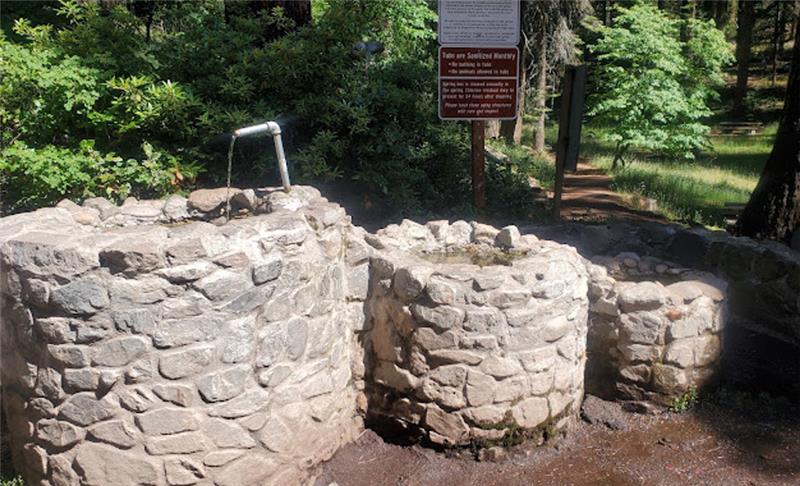
Oregon Parks And Recreation Department Announces Restoration Efforts Underway At Historic Tub Springs (Photo) - 10/01/26

(Ashland, Ore.) – The Oregon Parks and Recreation Department (OPRD) is beginning restoration measures at the historic water feature at Tub Springs State Wayside, located along Green Springs Highway southeast of Ashland.


To protect the integrity of the site and prevent further deterioration, the historic stone tubs will be temporarily covered, and water will not be flowing through the tubs during this phase of restoration.


The decision follows earlier findings from the Oregon Health Authority, which determined that water at the site was no longer suitable for drinking due to high turbidity and a reclassification from groundwater to surface water. Restoration efforts require the tubs to be covered to safeguard the historic structures and prepare the site for long-term stabilization.


“Tub Springs is a cherished part of Oregon’s natural and cultural heritage,” said Nathan Seable, manager for OPRD’s Valley of the Rogue Management Unit. “Temporarily covering the tubs allows us to protect this unique feature while our team works toward a preservation plan that honors the site’s history and ensures its durability for generations to come.”


Tub Springs has served travelers since the 19th century, offering a scenic rest area along the Applegate Trail. Its tiered stone tubs and lush forest setting make it a landmark within the surrounding Cascade-Siskiyou National Monument. Visitors can continue to enjoy the wayside’s trails, picnic areas, restrooms and natural surroundings, but access to the tub feature will remain restricted during preservation activities.


###

Attached Media Files: Tub Springs,

Oregon Parks And Recreation Department Announces Restoration Efforts Underway At Historic Tub Springs (Photo) - 10/01/26

(Ashland, Ore.) – The Oregon Parks and Recreation Department (OPRD) is beginning restoration measures at the historic water feature at Tub Springs State Wayside, located along Green Springs Highway southeast of Ashland.


To protect the integrity of the site and prevent further deterioration, the historic stone tubs will be temporarily covered, and water will not be flowing through the tubs during this phase of restoration.


The decision follows earlier findings from the Oregon Health Authority, which determined that water at the site was no longer suitable for drinking due to high turbidity and a reclassification from groundwater to surface water. Restoration efforts require the tubs to be covered to safeguard the historic structures and prepare the site for long-term stabilization.


“Tub Springs is a cherished part of Oregon’s natural and cultural heritage,” said Nathan Seable, manager for OPRD’s Valley of the Rogue Management Unit. “Temporarily covering the tubs allows us to protect this unique feature while our team works toward a preservation plan that honors the site’s history and ensures its durability for generations to come.”


Tub Springs has served travelers since the 19th century, offering a scenic rest area along the Applegate Trail. Its tiered stone tubs and lush forest setting make it a landmark within the surrounding Cascade-Siskiyou National Monument. Visitors can continue to enjoy the wayside’s trails, picnic areas, restrooms and natural surroundings, but access to the tub feature will remain restricted during preservation activities.


###

Attached Media Files: Tub Springs,

National Park Service Lists Two Former City Halls In The National Register Of Historic Places (Photo) - 09/30/26

CLACKAMAS COUNTY, Oregon – Former city hall buildings in Canby and Milwaukie are among Oregon’s newest entries in the National Register of Historic Places. Oregon’s State Advisory Committee on Historic Preservation recommended the nominations for the two properties at its June 2026 meeting. Both city halls were constructed in the 1930s with financial support from the Public Works Administration (PWA). The National Park Service (NPS), which maintains the National Register, accepted the two nominations in September 2026, for their significance in the areas of Politics/Government and Architecture. The two nominations are the most recent to be associated with the Oregon New Deal Resources from the PWA and WPA, 1933-1943 Multiple Property Document approved by NPS in 2022.
 

Located on Holly Street in downtown Canby, the former Canby City Hall was designed by architect George Howell Jones in the popular Colonial Revival style and completed in 1937. When first constructed, the Canby City Hall property included council chambers, city offices, a library, firehouse, and jail. It served as City Hall until 2016. Completed in 1938, the Milwaukie City Hall, located on Main Street in downtown Milwaukie, was designed by architect Walter E. Kelly in the Classical Moderne style with art deco flourishes. Like its counterpart in Canby, the building once served multiple purposes, with council chambers, city offices, fire station and library. It served as City Hall until 2022.
 

The Oregon New Deal Resources from the PWA and WPA, 1933-1943 Multiple Property Document (MPD) provides an overview of PWA and Works Progress Administration (WPA) funded construction projects in Oregon, establishing a framework for identifying and listing properties, built with funding through these two New Deal programs, in the National Register. 
 

The National Register of Historic Places

The National Register of Historic Places is maintained by the National Park Service under the authority of the National Historic Preservation Act of 1966. Properties listed in the National Register are:

  • Recognized as significant to the nation, state, or community;

  • Considered in the planning of federal or federally assisted projects;

  • Eligible for certain federal and state tax benefits;

  • Qualified for historic preservation grants when funds are available;

  • Eligible for leniency in meeting certain building code requirements;

  • Subject to local laws pertaining to the conservation and protection of historic resources.

State law in Oregon requires local governments to offer a minimal level of protection for properties listed in the National Register of Historic Places; decisions about how to accomplish that goal reside with local governments, which also have the authority to create and regulate local historic districts and landmarks.
 

Visit the National Register program webpage at: https://www.oregon.gov/oprd/OH/pages/national-register.aspx to explore listed properties, review eligibility criteria and the nomination timeline, access research tools, and those interested in seeing if their property is eligible can submit a Historic Resource Record (HRR) form to receive preliminary feedback from State Historic Preservation Office staff.

###

National Park Service Lists Two Former City Halls In The National Register Of Historic Places (Photo) - 09/30/26

CLACKAMAS COUNTY, Oregon – Former city hall buildings in Canby and Milwaukie are among Oregon’s newest entries in the National Register of Historic Places. Oregon’s State Advisory Committee on Historic Preservation recommended the nominations for the two properties at its June 2026 meeting. Both city halls were constructed in the 1930s with financial support from the Public Works Administration (PWA). The National Park Service (NPS), which maintains the National Register, accepted the two nominations in September 2026, for their significance in the areas of Politics/Government and Architecture. The two nominations are the most recent to be associated with the Oregon New Deal Resources from the PWA and WPA, 1933-1943 Multiple Property Document approved by NPS in 2022.
 

Located on Holly Street in downtown Canby, the former Canby City Hall was designed by architect George Howell Jones in the popular Colonial Revival style and completed in 1937. When first constructed, the Canby City Hall property included council chambers, city offices, a library, firehouse, and jail. It served as City Hall until 2016. Completed in 1938, the Milwaukie City Hall, located on Main Street in downtown Milwaukie, was designed by architect Walter E. Kelly in the Classical Moderne style with art deco flourishes. Like its counterpart in Canby, the building once served multiple purposes, with council chambers, city offices, fire station and library. It served as City Hall until 2022.
 

The Oregon New Deal Resources from the PWA and WPA, 1933-1943 Multiple Property Document (MPD) provides an overview of PWA and Works Progress Administration (WPA) funded construction projects in Oregon, establishing a framework for identifying and listing properties, built with funding through these two New Deal programs, in the National Register. 
 

The National Register of Historic Places

The National Register of Historic Places is maintained by the National Park Service under the authority of the National Historic Preservation Act of 1966. Properties listed in the National Register are:

  • Recognized as significant to the nation, state, or community;

  • Considered in the planning of federal or federally assisted projects;

  • Eligible for certain federal and state tax benefits;

  • Qualified for historic preservation grants when funds are available;

  • Eligible for leniency in meeting certain building code requirements;

  • Subject to local laws pertaining to the conservation and protection of historic resources.

State law in Oregon requires local governments to offer a minimal level of protection for properties listed in the National Register of Historic Places; decisions about how to accomplish that goal reside with local governments, which also have the authority to create and regulate local historic districts and landmarks.
 

Visit the National Register program webpage at: https://www.oregon.gov/oprd/OH/pages/national-register.aspx to explore listed properties, review eligibility criteria and the nomination timeline, access research tools, and those interested in seeing if their property is eligible can submit a Historic Resource Record (HRR) form to receive preliminary feedback from State Historic Preservation Office staff.

###

Parks Commission Approves Acquisition Of Abiqua Falls, Agency Considers Next Steps - 09/23/26

(SALEM, Ore.) – The Oregon State Parks and Recreation Commission received an update about the Agency Request Budget, approved acquisition of Abiqua Falls properties and approved several rule updates at its Sept. 23 meeting.
 

Abiqua Falls properties


The commission approved acquisition of the Abiqua Falls properties for $2 million. The purchase includes 160 acres of land with unmaintained, user-created trails leading to areas popular for hiking, photography, and fishing.


Oregon Parks and Recreation Department is still working through options for the properties’ development and management. The agency anticipates having something more concrete by the time the property transaction closes, likely near the end of the year.


“Abiqua Falls is a great example that parks are not just nature,” said OPRD director Lisa Sumption. “It takes continuous staff, time and money for us to bring a property like this up to state park standards and keep it there.”


Depending on the level of development and management structure, the cost of this work varies. The commission directed OPRD staff to provide an update in November, prior to finalizing the transaction, about plans for development and long-term management as a result of ongoing discussions with Marion County and the Oregon Department of Forestry.


OPRD submits balanced budget


The agency submitted its budget for the 2027-2029 biennium to the Governor at the end of August.


“I’m proud to say we’re able to present a balanced budget despite the financial pressures we’re facing,” said chief financial officer Sarah Head. “By making tough decisions like increasing fees and hiring fewer seasonal park rangers, our budget is more stable in the short term.”


OPRD is currently reviewing data about visitation and revenue for the summer and will share information with the commission at the November meeting.


Additional items included:

  • Approving disposition of the Frenchglen Corrals to the Frenchglen School District.
  • Approving construction contracts for Silver Falls for well construction.
  • Approving adoption of amendments to the archaeological permit, Local Government Grant Program, Land and Water Conservation, and agency procurement rules.

The next commission meeting will be held in Newport on Nov. 17 and 18, 2026. The full agenda packet will be available online one week in advance.


To watch the September commission meeting or any others, visit OPRD’s YouTube page and find supporting documents on the commission web page.


--


The Oregon State Parks and Recreation Commission promotes outdoor recreation and heritage by establishing policies, adopting rules and setting the budget for the Oregon Parks and Recreation Department. The seven members are appointed by the Governor and confirmed by the Oregon Senate. They serve four-year terms and meet several times a year virtually or at locations across the state.


Parks Commission Approves Acquisition Of Abiqua Falls, Agency Considers Next Steps - 09/23/26

(SALEM, Ore.) – The Oregon State Parks and Recreation Commission received an update about the Agency Request Budget, approved acquisition of Abiqua Falls properties and approved several rule updates at its Sept. 23 meeting.
 

Abiqua Falls properties


The commission approved acquisition of the Abiqua Falls properties for $2 million. The purchase includes 160 acres of land with unmaintained, user-created trails leading to areas popular for hiking, photography, and fishing.


Oregon Parks and Recreation Department is still working through options for the properties’ development and management. The agency anticipates having something more concrete by the time the property transaction closes, likely near the end of the year.


“Abiqua Falls is a great example that parks are not just nature,” said OPRD director Lisa Sumption. “It takes continuous staff, time and money for us to bring a property like this up to state park standards and keep it there.”


Depending on the level of development and management structure, the cost of this work varies. The commission directed OPRD staff to provide an update in November, prior to finalizing the transaction, about plans for development and long-term management as a result of ongoing discussions with Marion County and the Oregon Department of Forestry.


OPRD submits balanced budget


The agency submitted its budget for the 2027-2029 biennium to the Governor at the end of August.


“I’m proud to say we’re able to present a balanced budget despite the financial pressures we’re facing,” said chief financial officer Sarah Head. “By making tough decisions like increasing fees and hiring fewer seasonal park rangers, our budget is more stable in the short term.”


OPRD is currently reviewing data about visitation and revenue for the summer and will share information with the commission at the November meeting.


Additional items included:

  • Approving disposition of the Frenchglen Corrals to the Frenchglen School District.
  • Approving construction contracts for Silver Falls for well construction.
  • Approving adoption of amendments to the archaeological permit, Local Government Grant Program, Land and Water Conservation, and agency procurement rules.

The next commission meeting will be held in Newport on Nov. 17 and 18, 2026. The full agenda packet will be available online one week in advance.


To watch the September commission meeting or any others, visit OPRD’s YouTube page and find supporting documents on the commission web page.


--


The Oregon State Parks and Recreation Commission promotes outdoor recreation and heritage by establishing policies, adopting rules and setting the budget for the Oregon Parks and Recreation Department. The seven members are appointed by the Governor and confirmed by the Oregon Senate. They serve four-year terms and meet several times a year virtually or at locations across the state.


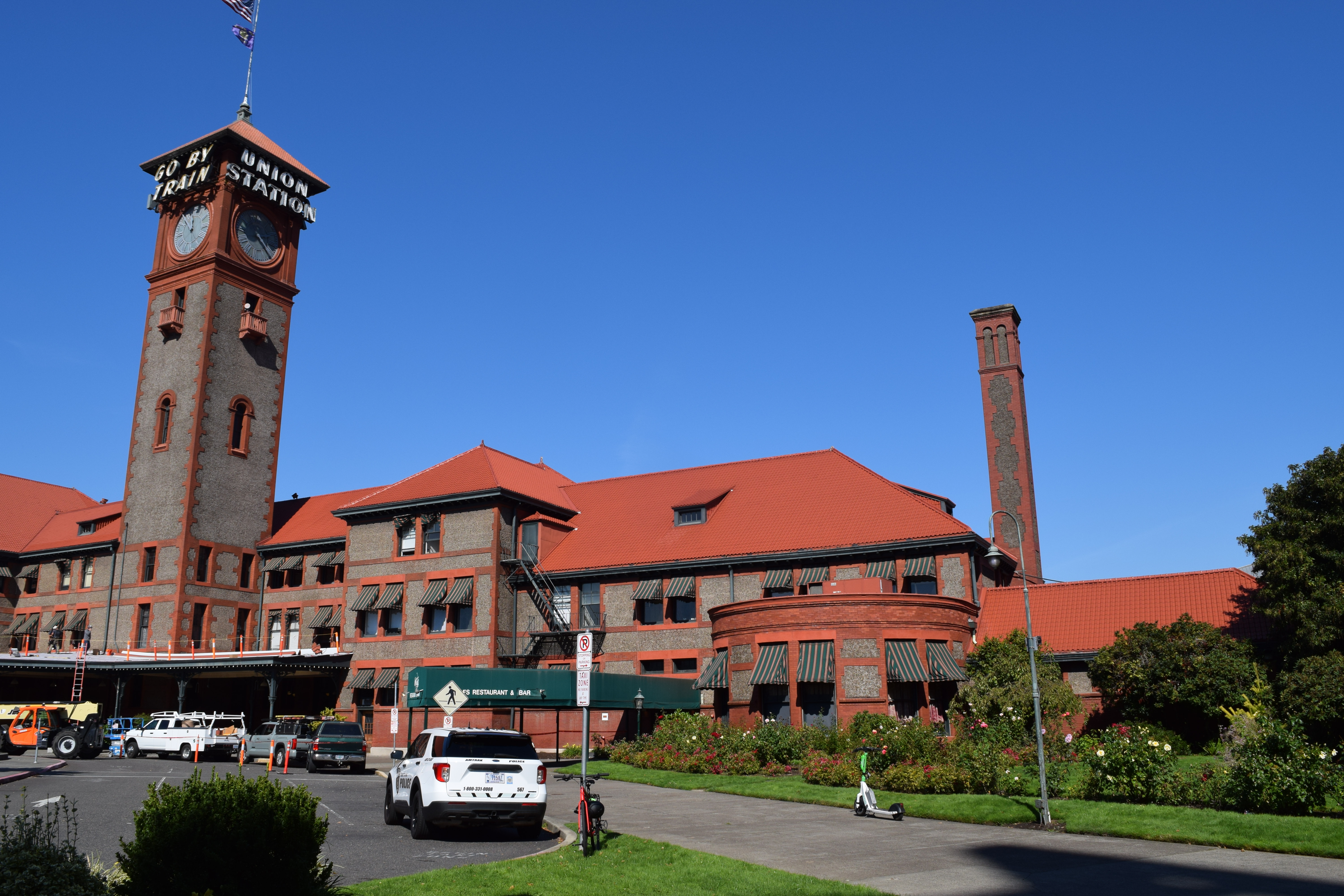
National Park Service Approves Update To Union Station National Register Of Historic Places Nomination (Photo) - 09/22/26

PORTLAND, Oregon – Union Station in Portland was originally listed in the National Register of Historic Places in 1975. At its June 2026 meeting, Oregon’s State Advisory Committee on Historic Preservation (SACHP) reviewed and recommended an update to the nomination. The National Park Service (NPS), which maintains the National Register, approved the updated nomination in late August 2026. The update demonstrates that Union Station is significant in the areas of Black History and Commerce, connecting the station to the African American Resources in Portland, Oregon, from 1851 to 1973 Multiple Property Document approved by NPS in 2020.
 

From the time it first opened in 1896, to 1971 when Amtrak took over passenger rail service, Union Station was the single largest employer of African Americans in Portland. Among the employment opportunities were positions as porters, waiters, cooks, washroom attendants, car cleaners, and laundry workers. These positions offered financial stability for many African Americans in the Portland area. Union Station was also the site where the first Black unions in Portland were organized. By the 1920s Union Station was at the heart of Portland’s Black community in an area that also included homes and businesses such as the Golden West Hotel.  
 

The African American Resources in Portland, Oregon, from 1851 to 1973 Multiple Property Document (MPD) provides an overview of the history of African Americans in Portland through seven different historical contexts and establishes a framework for identifying and listing Portland’s African American resources in the National Register of Historic Places. The updated nomination fits within the framework established by the MPD, demonstrating that for 75 years, Union Station played an important role within Portland’s Black community.
 

The National Register of Historic Places

The National Register of Historic Places is maintained by the National Park Service under the authority of the National Historic Preservation Act of 1966. Properties listed in the National Register are:

  • Recognized as significant to the nation, state, or community;
  • Considered in the planning of federal or federally assisted projects;
  • Eligible for certain federal and state tax benefits;
  • Qualified for historic preservation grants when funds are available;
  • Eligible for leniency in meeting certain building code requirements;
  • Subject to local laws pertaining to the conservation and protection of historic resources.

State law in Oregon requires local governments to offer a minimal level of protection for properties listed in the National Register of Historic Places; decisions about how to accomplish that goal reside with local governments, which also have the authority to create and regulate local historic districts and landmarks.
 

Visit the National Register program webpage at https://www.oregon.gov/oprd/OH/pages/national-register.aspx to explore listed properties, review eligibility criteria and the nomination timeline, access research tools, and those interested in seeing if their property is eligible can submit a Historic Resource Record (HRR) form to receive preliminary feedback from State Historic Preservation Office staff.
###

National Park Service Approves Update To Union Station National Register Of Historic Places Nomination (Photo) - 09/22/26

PORTLAND, Oregon – Union Station in Portland was originally listed in the National Register of Historic Places in 1975. At its June 2026 meeting, Oregon’s State Advisory Committee on Historic Preservation (SACHP) reviewed and recommended an update to the nomination. The National Park Service (NPS), which maintains the National Register, approved the updated nomination in late August 2026. The update demonstrates that Union Station is significant in the areas of Black History and Commerce, connecting the station to the African American Resources in Portland, Oregon, from 1851 to 1973 Multiple Property Document approved by NPS in 2020.
 

From the time it first opened in 1896, to 1971 when Amtrak took over passenger rail service, Union Station was the single largest employer of African Americans in Portland. Among the employment opportunities were positions as porters, waiters, cooks, washroom attendants, car cleaners, and laundry workers. These positions offered financial stability for many African Americans in the Portland area. Union Station was also the site where the first Black unions in Portland were organized. By the 1920s Union Station was at the heart of Portland’s Black community in an area that also included homes and businesses such as the Golden West Hotel.  
 

The African American Resources in Portland, Oregon, from 1851 to 1973 Multiple Property Document (MPD) provides an overview of the history of African Americans in Portland through seven different historical contexts and establishes a framework for identifying and listing Portland’s African American resources in the National Register of Historic Places. The updated nomination fits within the framework established by the MPD, demonstrating that for 75 years, Union Station played an important role within Portland’s Black community.
 

The National Register of Historic Places

The National Register of Historic Places is maintained by the National Park Service under the authority of the National Historic Preservation Act of 1966. Properties listed in the National Register are:

  • Recognized as significant to the nation, state, or community;
  • Considered in the planning of federal or federally assisted projects;
  • Eligible for certain federal and state tax benefits;
  • Qualified for historic preservation grants when funds are available;
  • Eligible for leniency in meeting certain building code requirements;
  • Subject to local laws pertaining to the conservation and protection of historic resources.

State law in Oregon requires local governments to offer a minimal level of protection for properties listed in the National Register of Historic Places; decisions about how to accomplish that goal reside with local governments, which also have the authority to create and regulate local historic districts and landmarks.
 

Visit the National Register program webpage at https://www.oregon.gov/oprd/OH/pages/national-register.aspx to explore listed properties, review eligibility criteria and the nomination timeline, access research tools, and those interested in seeing if their property is eligible can submit a Historic Resource Record (HRR) form to receive preliminary feedback from State Historic Preservation Office staff.
###

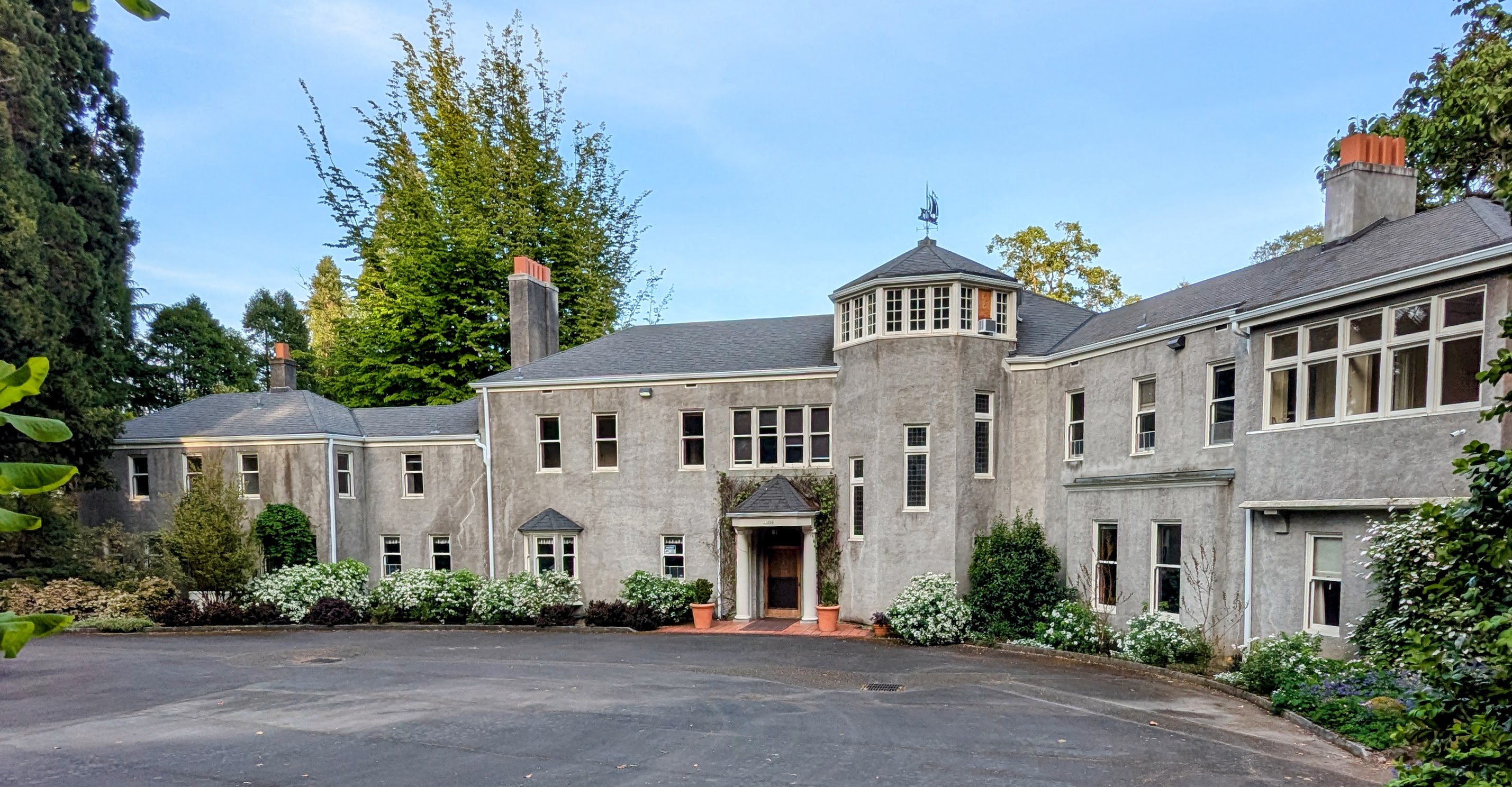
National Park Service Lists Peter And Laurie King Kerr Estate In The National Register Of Historic Places (Photo) - 09/17/26

PORTLAND, Oregon - The Peter and Laurie King Kerr Estate (now known as Elk Rock Garden) is among Oregon’s newest entries in the National Register of Historic Places. Oregon’s State Advisory Committee on Historic Preservation (SACHP) recommended the nomination at its June 2026 meeting for the property’s significance, in the areas of architecture and landscape architecture, as a rare surviving Portland area example of a turn-of-the-century country estate. The National Park Service, which maintains the National Register, accepted the nomination in late August 2026.
 

Located on the outskirts of South Portland, the Peter and Laurie King Kerr Estate was designed and constructed between 1897 and 1957 and it still reflects the layered contributions of its owner, grain commission merchant Peter Kerr, and several prominent design professionals, including landscape architects John C. Olmsted and Adolph Meyer, horticulturalist Emanuel T. Mische, and architects Ellis F. Lawrence and William Holford, the designers of the Kerr residence located on the grounds. Now open to the public, the Peter and Laurie King Kerr Estate stands as one of the Portland area’s only country estates or large private gardens that retains much of its original scale, setting, and design.
 

The National Register of Historic Places

The National Register of Historic Places is maintained by the National Park Service under the authority of the National Historic Preservation Act of 1966. Properties listed in the National Register are:

  • Recognized as significant to the nation, state, or community;

  • Considered in the planning of federal or federally assisted projects;

  • Eligible for certain federal and state tax benefits;

  • Qualified for historic preservation grants when funds are available;

  • Eligible for leniency in meeting certain building code requirements;

  • Subject to local laws pertaining to the conservation and protection of historic resources.

State law in Oregon requires local governments to offer a minimal level of protection for properties listed in the National Register of Historic Places; decisions about how to accomplish that goal reside with local governments, which also have the authority to create and regulate local historic districts and landmarks.

 Visit the National Register program webpage at https://www.oregon.gov/oprd/OH/pages/national-register.aspx to explore listed properties, review eligibility criteria and the nomination timeline, access research tools, and those interested in seeing if their property is eligible can submit a Historic Resource Record (HRR) form to receive preliminary feedback from State Historic Preservation Office staff.

###


National Park Service Lists Peter And Laurie King Kerr Estate In The National Register Of Historic Places (Photo) - 09/17/26

PORTLAND, Oregon - The Peter and Laurie King Kerr Estate (now known as Elk Rock Garden) is among Oregon’s newest entries in the National Register of Historic Places. Oregon’s State Advisory Committee on Historic Preservation (SACHP) recommended the nomination at its June 2026 meeting for the property’s significance, in the areas of architecture and landscape architecture, as a rare surviving Portland area example of a turn-of-the-century country estate. The National Park Service, which maintains the National Register, accepted the nomination in late August 2026.
 

Located on the outskirts of South Portland, the Peter and Laurie King Kerr Estate was designed and constructed between 1897 and 1957 and it still reflects the layered contributions of its owner, grain commission merchant Peter Kerr, and several prominent design professionals, including landscape architects John C. Olmsted and Adolph Meyer, horticulturalist Emanuel T. Mische, and architects Ellis F. Lawrence and William Holford, the designers of the Kerr residence located on the grounds. Now open to the public, the Peter and Laurie King Kerr Estate stands as one of the Portland area’s only country estates or large private gardens that retains much of its original scale, setting, and design.
 

The National Register of Historic Places

The National Register of Historic Places is maintained by the National Park Service under the authority of the National Historic Preservation Act of 1966. Properties listed in the National Register are:

  • Recognized as significant to the nation, state, or community;

  • Considered in the planning of federal or federally assisted projects;

  • Eligible for certain federal and state tax benefits;

  • Qualified for historic preservation grants when funds are available;

  • Eligible for leniency in meeting certain building code requirements;

  • Subject to local laws pertaining to the conservation and protection of historic resources.

State law in Oregon requires local governments to offer a minimal level of protection for properties listed in the National Register of Historic Places; decisions about how to accomplish that goal reside with local governments, which also have the authority to create and regulate local historic districts and landmarks.

 Visit the National Register program webpage at https://www.oregon.gov/oprd/OH/pages/national-register.aspx to explore listed properties, review eligibility criteria and the nomination timeline, access research tools, and those interested in seeing if their property is eligible can submit a Historic Resource Record (HRR) form to receive preliminary feedback from State Historic Preservation Office staff.

###


Local Government Grant Program Advisory Committee To Evaluate Grant Applications - 09/15/26

The Local Government Grant Program Advisory Committee will meet Sept. 29 to Oct. 1, 2026, to evaluate grant applications from around the state for projects that support the acquisition, development or rehabilitation of outdoor recreation facilities.


The meeting will be held on Zoom. Meeting details, including the agenda and list of project proposals, are available online.


The meeting is open to the public, but there will not be time for public comments during the meeting. The committee will evaluate 43 applications over the three days. Approximately $17 million of grant funds are available.


After applicants provide a brief presentation of their proposals, the committee will evaluate and score all applications and create a priority ranking list of projects to be funded. The list will be sent to the Oregon State Parks and Recreation Commission for final review and approval.


The advisory committee consists of 10 members who represent cities, counties, park and recreation districts, port districts, people with disabilities and the general public. They also represent various geographic areas of the state. 


The Local Government Grant Program was established in 1999 to direct a portion of state lottery revenue to award grants to eligible applicants for outdoor park and recreation projects. The program is administered by Oregon Parks and Recreation Department.


For more information contact Jennifer Dimsho, Program Coordinator at 503-951-1317 or Jennifer.Dimsho@oprd.oregon.gov or visit the program website. If special accommodations are needed to attend the meeting, contact Jennifer Dimsho at least 72 hours prior to the meeting.

Local Government Grant Program Advisory Committee To Evaluate Grant Applications - 09/15/26

The Local Government Grant Program Advisory Committee will meet Sept. 29 to Oct. 1, 2026, to evaluate grant applications from around the state for projects that support the acquisition, development or rehabilitation of outdoor recreation facilities.


The meeting will be held on Zoom. Meeting details, including the agenda and list of project proposals, are available online.


The meeting is open to the public, but there will not be time for public comments during the meeting. The committee will evaluate 43 applications over the three days. Approximately $17 million of grant funds are available.


After applicants provide a brief presentation of their proposals, the committee will evaluate and score all applications and create a priority ranking list of projects to be funded. The list will be sent to the Oregon State Parks and Recreation Commission for final review and approval.


The advisory committee consists of 10 members who represent cities, counties, park and recreation districts, port districts, people with disabilities and the general public. They also represent various geographic areas of the state. 


The Local Government Grant Program was established in 1999 to direct a portion of state lottery revenue to award grants to eligible applicants for outdoor park and recreation projects. The program is administered by Oregon Parks and Recreation Department.


For more information contact Jennifer Dimsho, Program Coordinator at 503-951-1317 or Jennifer.Dimsho@oprd.oregon.gov or visit the program website. If special accommodations are needed to attend the meeting, contact Jennifer Dimsho at least 72 hours prior to the meeting.

Oregon State Parks And Recreation Commission To Meet Sept. 22-23 - 09/14/26

SALEM, Oregon—The Oregon State Parks and Recreation Commission will convene Sept. 22-23 in Salem.


On Sept. 22, commissioners will tour Detroit Lake State Park and hold a work session from 1:30 to 4 p.m. providing background on state historic preservation office operations and an update on recent fee and policy changes.


On Sept. 23, commissioners will convene an executive session at 8:30 a.m. virtually to discuss acquisition priorities and opportunities, and potential litigation. The Executive Session will be held pursuant to ORS 192.660(2)(e) and (h) and is closed to the public.


A business meeting will begin at 9:45 a.m. in the Oregon Department of Transportation Commission Room, located at 355 Capitol St. NE, Room 103 in Salem. The business meeting is open to the public. All public commission meetings are streamed live to YouTube.


Anyone may attend or listen to the business meeting; instructions on how to listen will be posted on the commission web page prior to the meeting. The business meeting includes time for informal public comment not related to items on the agenda.
 

Registration is required to speak during the informal public comment portion. Register online by 5 p.m. on Sept. 21 to speak at the virtual meeting. Time per speaker is limited to three minutes. Please submit written public comments by 5 p.m. Sept. 21 to OPRCpubliccomment@oprd.oregon.gov.  


The full agenda and supporting documents are posted on the commission web page. Notable requests:

  • Request to approve acquisition of Abiqua Falls properties with lottery bond funding directed by the legislature.
  • Request to approve disposition of Corral property to Frenchglen School District.
  • Request to approve construction contracts for Silver Falls.
  • Request to approve adoption of proposed amendments to archaeological permit rules to update dispute resolution process.
  • Request to approve adoption of amendments to Local Government Grant program to update matching requirements as required by SB 1585.
  • Request to approve adoption of proposed amendments to Land and Water Conservation fund allocation rules.
  • Request to approve adoption of proposed amendments to agency procurement and contracting rules.

Anyone needing special accommodations to attend the meeting should contact Jayme Jones, commission assistant, at least three days in advance at jayme.jones@oprd.oregon.gov or 971-707-2175.


The Oregon State Parks and Recreation Commission promotes outdoor recreation and heritage by establishing policies, adopting rules and setting the budget for the Oregon Parks and Recreation Department. The seven members are appointed by the Governor and confirmed by the Oregon Senate. They serve four-year terms and meet several times a year at locations across the state.


Oregon State Parks And Recreation Commission To Meet Sept. 22-23 - 09/14/26

SALEM, Oregon—The Oregon State Parks and Recreation Commission will convene Sept. 22-23 in Salem.


On Sept. 22, commissioners will tour Detroit Lake State Park and hold a work session from 1:30 to 4 p.m. providing background on state historic preservation office operations and an update on recent fee and policy changes.


On Sept. 23, commissioners will convene an executive session at 8:30 a.m. virtually to discuss acquisition priorities and opportunities, and potential litigation. The Executive Session will be held pursuant to ORS 192.660(2)(e) and (h) and is closed to the public.


A business meeting will begin at 9:45 a.m. in the Oregon Department of Transportation Commission Room, located at 355 Capitol St. NE, Room 103 in Salem. The business meeting is open to the public. All public commission meetings are streamed live to YouTube.


Anyone may attend or listen to the business meeting; instructions on how to listen will be posted on the commission web page prior to the meeting. The business meeting includes time for informal public comment not related to items on the agenda.
 

Registration is required to speak during the informal public comment portion. Register online by 5 p.m. on Sept. 21 to speak at the virtual meeting. Time per speaker is limited to three minutes. Please submit written public comments by 5 p.m. Sept. 21 to OPRCpubliccomment@oprd.oregon.gov.  


The full agenda and supporting documents are posted on the commission web page. Notable requests:

  • Request to approve acquisition of Abiqua Falls properties with lottery bond funding directed by the legislature.
  • Request to approve disposition of Corral property to Frenchglen School District.
  • Request to approve construction contracts for Silver Falls.
  • Request to approve adoption of proposed amendments to archaeological permit rules to update dispute resolution process.
  • Request to approve adoption of amendments to Local Government Grant program to update matching requirements as required by SB 1585.
  • Request to approve adoption of proposed amendments to Land and Water Conservation fund allocation rules.
  • Request to approve adoption of proposed amendments to agency procurement and contracting rules.

Anyone needing special accommodations to attend the meeting should contact Jayme Jones, commission assistant, at least three days in advance at jayme.jones@oprd.oregon.gov or 971-707-2175.


The Oregon State Parks and Recreation Commission promotes outdoor recreation and heritage by establishing policies, adopting rules and setting the budget for the Oregon Parks and Recreation Department. The seven members are appointed by the Governor and confirmed by the Oregon Senate. They serve four-year terms and meet several times a year at locations across the state.


National Park Service Lists Oregon Casket Company Building In The National Register Of Historic Places (Photo) - 09/11/26

PORTLAND, Oregon - The Oregon Casket Company Building in downtown Portland is among Oregon’s newest entries in the National Register of Historic Places. Oregon’s State Advisory Committee on Historic Preservation (SACHP) recommended the nomination at its February 2026 meeting for the property’s significance as the best surviving example in Portland of a building associated with the historic casket industry. The National Park Service, which maintains the National Register, accepted the nomination in late August 2026.
 

Designed by the architectural firm of Whidden & Lewis and constructed in 1897, the Oregon Casket Company Building demonstrates the economic stature of the Oregon Casket Company at the turn of the 20th century. Construction of the building also coincided with a nationwide economic recovery and the building exemplifies the importance of Portland at that time as a base for the distribution of goods across the Pacific Northwest and beyond.

From 1897 to 1925, the Oregon Casket Company Building served as company headquarters and regional distribution center. In this era, timber from the West Coast was prized for its durability, making Portland an ideal location for a company that soon became the one of the largest dealers of undertaker supplies and manufacturer of caskets in the western United States.
 

Architecturally, the five-story Oregon Casket Company Building still retains the character defining features that convey its historic function as a turn-of-the-century warehouse and distribution center. The exterior of the heavy-timber structure features rough-aggregate stucco cladding and decorative brickwork, along with original wood sash windows and loading doors. The building’s interior reflects its original use for warehousing and light manufacturing, with heavy timber posts and beams, brick walls, and wood flooring. While the ground floor storefronts were remodeled in 1954, the building’s upper stories still mostly reflect their original appearance. Today, the Oregon Casket Company Building retains a high degree of integrity and it continues to convey its historic function as an important warehouse and distribution center.
 

The National Register of Historic Places

The National Register of Historic Places is maintained by the National Park Service under the authority of the National Historic Preservation Act of 1966. Properties listed in the National Register are:

  • Recognized as significant to the nation, state, or community;
  • Considered in the planning of federal or federally assisted projects;
  • Eligible for certain federal and state tax benefits;
  • Qualified for historic preservation grants when funds are available;
  • Eligible for leniency in meeting certain building code requirements;
  • Subject to local laws pertaining to the conservation and protection of historic resources.

State law in Oregon requires local governments to offer a minimal level of protection for properties listed in the National Register of Historic Places; decisions about how to accomplish that goal reside with local governments, which also have the authority to create and regulate local historic districts and landmarks.

Interested in learning more about the National Register of Historic Places? Visit the National Register program webpage at https://www.oregon.gov/oprd/OH/pages/national-register.aspx to explore listed properties, review eligibility criteria and the nomination timeline, access research tools, and—if you are curious whether your property might qualify—submit a Historic Resource Record (HRR) form to receive preliminary feedback from State Historic Preservation Office staff.

###

National Park Service Lists Oregon Casket Company Building In The National Register Of Historic Places (Photo) - 09/11/26

PORTLAND, Oregon - The Oregon Casket Company Building in downtown Portland is among Oregon’s newest entries in the National Register of Historic Places. Oregon’s State Advisory Committee on Historic Preservation (SACHP) recommended the nomination at its February 2026 meeting for the property’s significance as the best surviving example in Portland of a building associated with the historic casket industry. The National Park Service, which maintains the National Register, accepted the nomination in late August 2026.
 

Designed by the architectural firm of Whidden & Lewis and constructed in 1897, the Oregon Casket Company Building demonstrates the economic stature of the Oregon Casket Company at the turn of the 20th century. Construction of the building also coincided with a nationwide economic recovery and the building exemplifies the importance of Portland at that time as a base for the distribution of goods across the Pacific Northwest and beyond.

From 1897 to 1925, the Oregon Casket Company Building served as company headquarters and regional distribution center. In this era, timber from the West Coast was prized for its durability, making Portland an ideal location for a company that soon became the one of the largest dealers of undertaker supplies and manufacturer of caskets in the western United States.
 

Architecturally, the five-story Oregon Casket Company Building still retains the character defining features that convey its historic function as a turn-of-the-century warehouse and distribution center. The exterior of the heavy-timber structure features rough-aggregate stucco cladding and decorative brickwork, along with original wood sash windows and loading doors. The building’s interior reflects its original use for warehousing and light manufacturing, with heavy timber posts and beams, brick walls, and wood flooring. While the ground floor storefronts were remodeled in 1954, the building’s upper stories still mostly reflect their original appearance. Today, the Oregon Casket Company Building retains a high degree of integrity and it continues to convey its historic function as an important warehouse and distribution center.
 

The National Register of Historic Places

The National Register of Historic Places is maintained by the National Park Service under the authority of the National Historic Preservation Act of 1966. Properties listed in the National Register are:

  • Recognized as significant to the nation, state, or community;
  • Considered in the planning of federal or federally assisted projects;
  • Eligible for certain federal and state tax benefits;
  • Qualified for historic preservation grants when funds are available;
  • Eligible for leniency in meeting certain building code requirements;
  • Subject to local laws pertaining to the conservation and protection of historic resources.

State law in Oregon requires local governments to offer a minimal level of protection for properties listed in the National Register of Historic Places; decisions about how to accomplish that goal reside with local governments, which also have the authority to create and regulate local historic districts and landmarks.

Interested in learning more about the National Register of Historic Places? Visit the National Register program webpage at https://www.oregon.gov/oprd/OH/pages/national-register.aspx to explore listed properties, review eligibility criteria and the nomination timeline, access research tools, and—if you are curious whether your property might qualify—submit a Historic Resource Record (HRR) form to receive preliminary feedback from State Historic Preservation Office staff.

###

Oregon Heritage Commission Releases Updated Statewide Goals For Heritage Preservation Work Across The State - 09/09/26

SALEM –  The Oregon Heritage Commission has released an update to the statewide Oregon Heritage Plan.
 

The statewide Oregon Heritage Plan is a call to action for heritage preservation efforts across the state to unite around common goals. The Oregon Heritage Commission invites individuals and organizations to discuss the goals and strategies in this Plan, consider how they align with organization missions and priorities, and join the Commission in this work.

The structure of the plan includes:

  • 5 focus areas that guided its development and will serve as a lens for carrying out the goals and strategies:
    • Tribal engagement and relationship building
    • Healthy and thriving communities
    • Collaborations and partnerships
    • Ethical practices and accountability
    • Future thinking
  • 4 goals that identify long-term desired outcomes for heritage efforts across the state:
    • Engage More Voices - Engage excluded and marginalized voices to expand the narrative of history told and preserved in Oregon.
    • Increase Access to Heritage - Increase access to heritage resources for the communities you serve.
    • Build Heritage Networks - Work together at all levels to advocate for sustainable funding and to increase awareness of the value of heritage.
    • Develop Healthy Organizations - Apply practices and standards in sustainable, scalable, and ethical ways to increase organizational health.
  • Strategies for each goal that lay out a path forward for Oregon Heritage, state agencies and service organizations, and heritage organizations to achieve the goals.


“The Heritage Commission encourages the heritage preservation community, locally, regionally, and statewide, to consider this plan as a tool to help them in their work,” says Heritage Commission Coordinator, Katie Henry. “Each step forward will result in more stories told, more people served, and more sustainable heritage organizations.”

Oregon’s heritage preservation community is any individual, organization, or entity that understands the value of and works towards documenting, preserving, and sharing Oregon’s heritage resources. These resources include places, buildings, structures, archeological sites, archives, collections, traditional beliefs and practices, culturally significant natural resources, and much more. Those engaged in this work include but are not limited to Tribal, federal, state, and local governments; local landmark commissions; museums; archives; libraries; historical societies; educational institutions; advocacy groups; Oregon Main Street organizations; building, design, finance, and real estate professionals; and any other individuals and organizations engaged in this work.


Oregon Heritage conducted engagement with the public, heritage organizations, and other key parties to inform the Plan from August to November 2025. Engagement activities included a public survey, discussion groups, and a questionnaire for heritage groups. The 2024 Oregon Heritage Vitality Study also provided critical information to help inform the update to the Oregon Heritage Plan.

Access the Oregon Heritage Plan online at oregonheritage.org in English and Spanish. Printed copies can be requested by emailing heritage.info@oprd.oregon.gov or calling 503-877-8834.

About the Oregon Heritage Commission (OHC)
The Heritage Commission’s nine Governor appointed members represent a diversity of cultural, geographic, and institutional interests. The Commission’s nine advisory members include representatives from the Oregon State Library, Oregon State Archives, State Historical Records Advisory Board, Higher Education Coordinating Committee, Travel Oregon, Oregon Historical Society, Department of Education, State Historic Preservation Office, and the Department of Land Conservation and Development.

The Commission is the primary agency for coordination of heritage activities in the state. This includes carrying out the Oregon Heritage Plan, increasing efficiency and avoiding duplication among interest groups, developing plans for coordination among agencies and organizations, encouraging tourism related to heritage resources, and coordinating statewide anniversary commemorations and other designations.

The Oregon Heritage Commission is one of four state commissions and committees under Oregon Heritage, a division of Oregon Parks and Recreation Department that includes the State Historic Preservation Office.

More information about the Oregon Heritage Commission and Oregon Heritage programs is available online at www.oregonheritage.org and from Commission Coordinator, Katie Henry, at 503-877-8834 or katie.henry@oprd.oregon.gov. 

# # #

Oregon Heritage Commission Releases Updated Statewide Goals For Heritage Preservation Work Across The State - 09/09/26

SALEM –  The Oregon Heritage Commission has released an update to the statewide Oregon Heritage Plan.
 

The statewide Oregon Heritage Plan is a call to action for heritage preservation efforts across the state to unite around common goals. The Oregon Heritage Commission invites individuals and organizations to discuss the goals and strategies in this Plan, consider how they align with organization missions and priorities, and join the Commission in this work.

The structure of the plan includes:

  • 5 focus areas that guided its development and will serve as a lens for carrying out the goals and strategies:
    • Tribal engagement and relationship building
    • Healthy and thriving communities
    • Collaborations and partnerships
    • Ethical practices and accountability
    • Future thinking
  • 4 goals that identify long-term desired outcomes for heritage efforts across the state:
    • Engage More Voices - Engage excluded and marginalized voices to expand the narrative of history told and preserved in Oregon.
    • Increase Access to Heritage - Increase access to heritage resources for the communities you serve.
    • Build Heritage Networks - Work together at all levels to advocate for sustainable funding and to increase awareness of the value of heritage.
    • Develop Healthy Organizations - Apply practices and standards in sustainable, scalable, and ethical ways to increase organizational health.
  • Strategies for each goal that lay out a path forward for Oregon Heritage, state agencies and service organizations, and heritage organizations to achieve the goals.


“The Heritage Commission encourages the heritage preservation community, locally, regionally, and statewide, to consider this plan as a tool to help them in their work,” says Heritage Commission Coordinator, Katie Henry. “Each step forward will result in more stories told, more people served, and more sustainable heritage organizations.”

Oregon’s heritage preservation community is any individual, organization, or entity that understands the value of and works towards documenting, preserving, and sharing Oregon’s heritage resources. These resources include places, buildings, structures, archeological sites, archives, collections, traditional beliefs and practices, culturally significant natural resources, and much more. Those engaged in this work include but are not limited to Tribal, federal, state, and local governments; local landmark commissions; museums; archives; libraries; historical societies; educational institutions; advocacy groups; Oregon Main Street organizations; building, design, finance, and real estate professionals; and any other individuals and organizations engaged in this work.


Oregon Heritage conducted engagement with the public, heritage organizations, and other key parties to inform the Plan from August to November 2025. Engagement activities included a public survey, discussion groups, and a questionnaire for heritage groups. The 2024 Oregon Heritage Vitality Study also provided critical information to help inform the update to the Oregon Heritage Plan.

Access the Oregon Heritage Plan online at oregonheritage.org in English and Spanish. Printed copies can be requested by emailing heritage.info@oprd.oregon.gov or calling 503-877-8834.

About the Oregon Heritage Commission (OHC)
The Heritage Commission’s nine Governor appointed members represent a diversity of cultural, geographic, and institutional interests. The Commission’s nine advisory members include representatives from the Oregon State Library, Oregon State Archives, State Historical Records Advisory Board, Higher Education Coordinating Committee, Travel Oregon, Oregon Historical Society, Department of Education, State Historic Preservation Office, and the Department of Land Conservation and Development.

The Commission is the primary agency for coordination of heritage activities in the state. This includes carrying out the Oregon Heritage Plan, increasing efficiency and avoiding duplication among interest groups, developing plans for coordination among agencies and organizations, encouraging tourism related to heritage resources, and coordinating statewide anniversary commemorations and other designations.

The Oregon Heritage Commission is one of four state commissions and committees under Oregon Heritage, a division of Oregon Parks and Recreation Department that includes the State Historic Preservation Office.

More information about the Oregon Heritage Commission and Oregon Heritage programs is available online at www.oregonheritage.org and from Commission Coordinator, Katie Henry, at 503-877-8834 or katie.henry@oprd.oregon.gov. 

# # #

Section Of Pilot Butte State Scenic Viewpoint Trail Closed For Construction - 09/03/26

Bend, Ore.— Oregon State Parks will close a section of the Base Trail on the north side of Pilot Butte State Scenic Viewpoint near Pilot Butte Middle School from Sept. 8 to Oct. 9 to replace the stairs on this steep section of trail.


Visitors can join the base trail to the east of the closure via the Larkspur Trail or west of the closure by Juniper Elementary School.


Oregon State Parks is completing this construction in partnership with Deschutes Trails Coalition. Deschutes Trails Coalition will be leading the project with support from State Park staff to upgrade a stair section of the trail, improving safety and long-term sustainability. Funding comes from a grant awarded through the Bend Sustainability Fund.


The closed section of trail will be fenced off for safety. Please respect the closure area and hike on other parts of the trail.

Section Of Pilot Butte State Scenic Viewpoint Trail Closed For Construction - 09/03/26

Bend, Ore.— Oregon State Parks will close a section of the Base Trail on the north side of Pilot Butte State Scenic Viewpoint near Pilot Butte Middle School from Sept. 8 to Oct. 9 to replace the stairs on this steep section of trail.


Visitors can join the base trail to the east of the closure via the Larkspur Trail or west of the closure by Juniper Elementary School.


Oregon State Parks is completing this construction in partnership with Deschutes Trails Coalition. Deschutes Trails Coalition will be leading the project with support from State Park staff to upgrade a stair section of the trail, improving safety and long-term sustainability. Funding comes from a grant awarded through the Bend Sustainability Fund.


The closed section of trail will be fenced off for safety. Please respect the closure area and hike on other parts of the trail.